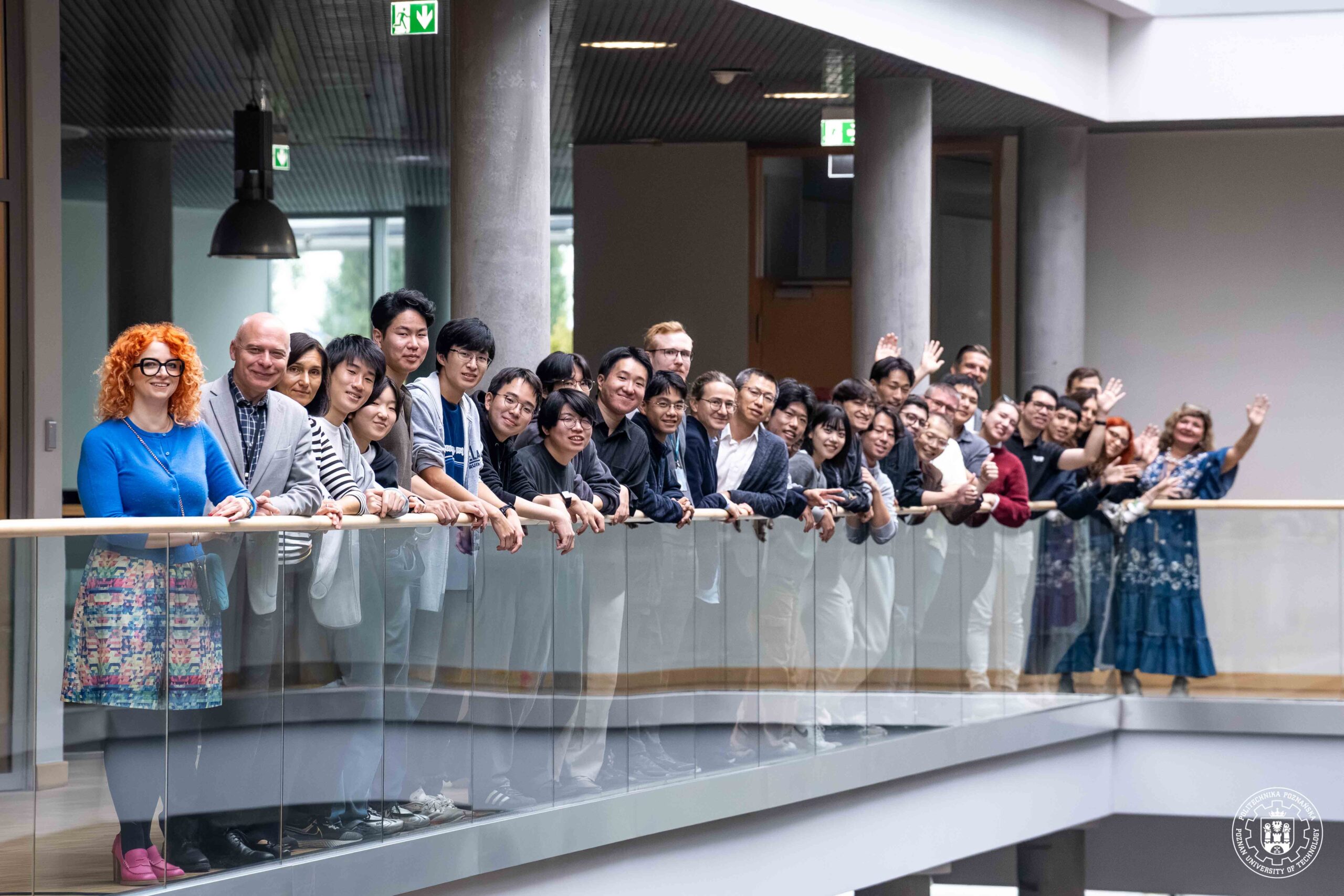
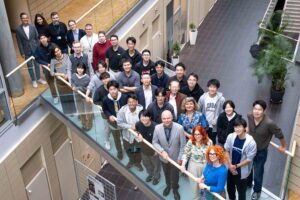
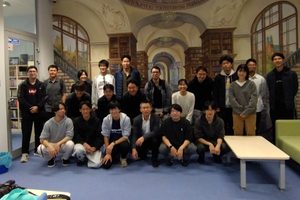
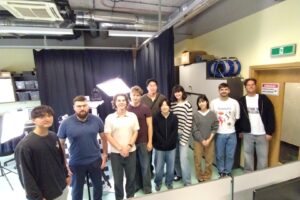
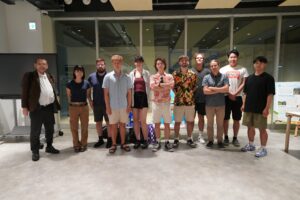
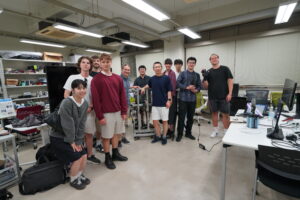
On September 14, Poznań University of Technology (PUT) welcomed a group of students and academic staff from the University of Electro-Communications (UEC) in Tokyo as part of the SEIKO – Strategic Education & Interdisciplinary Knowledge Orchestration project. The initiative brings together the two partner universities to strengthen international cooperation in education and research and to create new opportunities for students and researchers from Poland and Japan.
The SEIKO project is implemented by Poznań University of Technology and the University of Electro-Communications and is funded by the Polish National Agency for Academic Exchange (NAWA) under the Strategic Partnerships Programme. The project focuses on internationalized technical education, interdisciplinary collaboration, research cooperation and the development of long-term academic relations between Europe and Japan.

Joint courses in advanced technologies
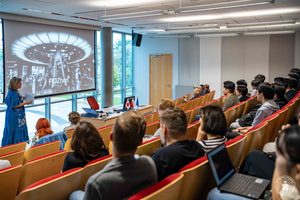
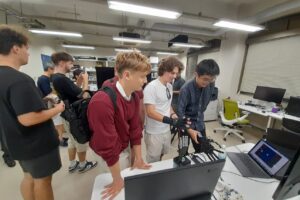
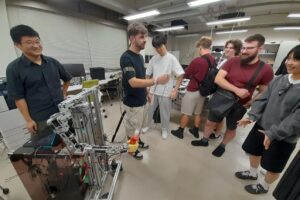
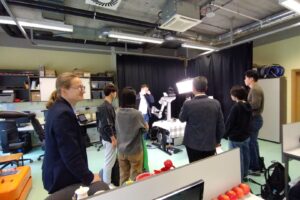
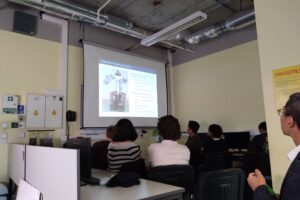
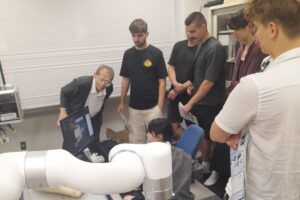
A central element of the SEIKO project is a programme of intensive international courses. In the 2026 edition, 52 students participated in the programme – 35 from Poznań University of Technology and 17 from UEC.
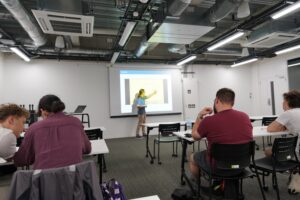
The students took part in five specialized courses:
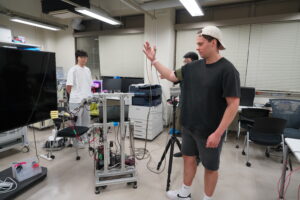
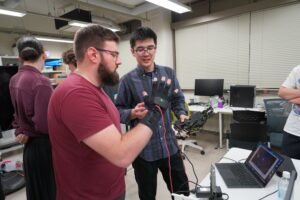
- AI in Robotics
- Cybersecurity
- Hyper-connected World: Network Infrastructure
- Hyper-connected World: Monitoring, Automation and Management
- Edge-Cloud Continuum Computing
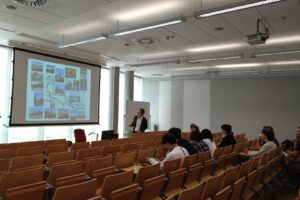
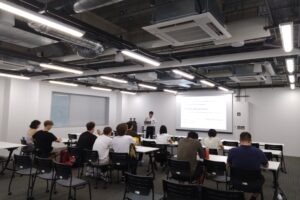
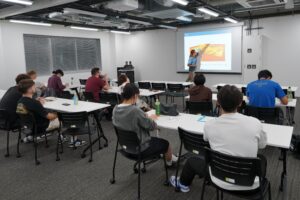
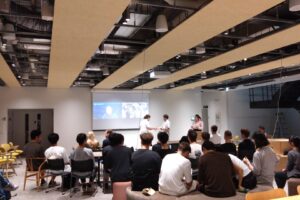
The courses were designed as joint educational activities, with academic staff from both partner universities involved in their preparation and delivery. The programme combines on-site classes in Poznań from September 14–18 with further classes in Tokyo from September 21–25, giving students the opportunity to experience academic environments at both institutions. This format also supports the development of technical, intercultural and soft skills, which are among the key objectives of the SEIKO project.
Academic staff involved
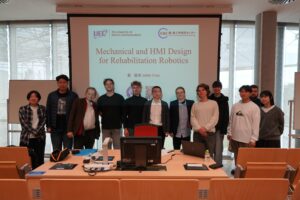
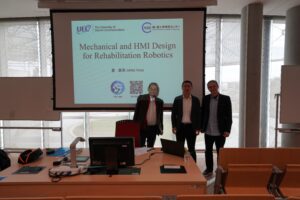
The AI in Robotics course was prepared and delivered by Prof. Dominik Belter from PUT and Prof. Norihiro Koizumi, Prof. Yinlai Jiang, Prof. Ryuki Sato, Prof. Tetsuo Kan, Prof. Shunsuke Kudoh, Prof. Yoshihiro Nakata and Prof. Jun Shintake from UEC.
The Cybersecurity course involved Prof. Mariusz Głąbowski and Prof. Sławomir Hanczewski from PUT and Prof. Santoso Bagus and Prof. Masatsugu Ichino from UEC.
The Hyper-connected World: Network Infrastructure course was prepared and taught by Prof. Maciej Sobieraj from PUT and Prof. Nattapong Kitsuwan from UEC.
The Hyper-connected World: Monitoring, Automation and Management course was conducted by Aleksandra Wojewoda from PUT and Prof. Hiroki Takahashi and Prof. Lu Jin from UEC.
The Edge-Cloud Continuum Computing course was delivered by Norbert Langner from PUT and Prof. Zhi Liu from UEC.
The joint involvement of academic staff from both universities is an important aspect of the programme. It allows students to learn from different academic perspectives and provides an opportunity for lecturers to exchange teaching experience and develop new areas of cooperation.
Learning beyond the classroom
The SEIKO programme is not limited to technical education. An important part of the initiative is the opportunity for students to learn about the culture, history and everyday life of their partner country.
During their stay in Poland, Japanese students had the opportunity to discover Poznań and its historical heritage, including a visit to Ostrów Tumski, one of the most important historical areas of the city. Cultural activities also included an introduction to basic Japanese expressions, giving Polish and Japanese participants an opportunity to share their languages and everyday experiences.
Food and culinary traditions were another important part of the programme. Students had the opportunity to explore the culinary culture of both countries and to compare Polish and Japanese approaches to food, traditions and social gatherings. These activities created an informal environment in which students from Poland and Japan could get to know one another beyond the classroom.
The cultural programme was particularly valuable because it encouraged direct interaction between participants and helped develop intercultural communication skills, one of the important benefits expected from the SEIKO project. The project explicitly aims to provide students with opportunities to develop not only technical competences, but also intercultural and soft skills and international academic and professional networks.
From Poznań to Tokyo
The September programme represents a two-way exchange. After the activities in Poznań, Polish students travelled to Tokyo, where they continued their courses at the University of Electro-Communications.
The combination of academic activities in Poland and Japan gives participants a unique opportunity to compare two university environments, teaching approaches and cultural contexts while working together on contemporary technological challenges.
Through intensive courses, joint projects, cultural activities and direct interaction between students and academic staff, SEIKO is building a foundation for long-term cooperation between PUT and UEC. The project is designed not only to support current educational activities, but also to establish sustainable cooperation in teaching, research, remote laboratories, student mobility and international academic networking.
The September activities demonstrate the value of bringing students and academics from Poland and Japan together. SEIKO creates a space where advanced technology, international education and intercultural exchange meet – helping students develop the knowledge, skills and international experience needed for the challenges of the future.
Comments are closed